Peace Love Freedom Embroidery Review
As a designer who spends more time than I care to admit staring at stitch density charts and fabric swatches, I don’t just buy embroidery files—I vet them. The difference between a file that looks good on a screen and one that actually performs well in the hoop is significant. When I first pulled up Peace Love Freedom, 4th of July, my initial reaction wasn’t about the patriotic theme itself, but rather how it translates from a digital graphic into a tactile, stitched reality. This isn’t just another generic holiday clip-art; it’s a design asset that requires careful consideration before committing thread to fabric.
The First Impression: Mood and Visual Personality
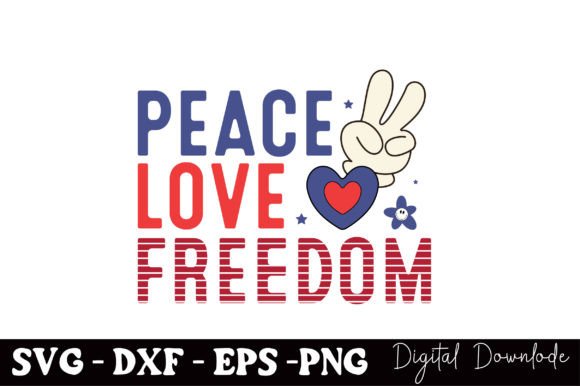
The title says it all, but the visual execution tells the real story. The phrase "Peace Love Freedom" carries a specific weight—it’s nostalgic, slightly retro, and undeniably festive without being overly aggressive. In the world of machine embroidery design, typography can be tricky. If the kerning is off or the letterforms are too thin, they’ll distort during stitching. From what I can see, this embroidery file strikes a balance between bold statement and readable elegance.
Mood-wise, it feels like a warm summer evening. It’s not stiff or corporate. It has a handmade charm that appeals to the modern crafter who wants their products to feel personal. For an Etsy seller or a small shop product owner, this kind of emotional resonance is gold. Customers aren’t just buying a shirt; they’re buying into a feeling of celebration and nostalgia. The layout suggests a design that works beautifully centered on a chest pocket area or scaled up for a full-front statement piece on a sweatshirt embroidery project.
Real-World Application: Where Does This Design Shine?
Let’s talk about practical use. I recently imagined using this design for a custom order—a batch of personalized tote bags for a local community center’s Independence Day picnic. Why? Because the text-heavy nature of Peace Love Freedom, 4th of July lends itself perfectly to canvas or cotton blends where the fabric provides enough structure to hold the stitches without buckling.
However, its versatility extends far beyond totes. Here is how I see this embroidery project fitting into various categories:
- Holiday Embroidery & Gifts: This is the obvious choice. Whether it’s a personalized gift for a veteran, a neighbor, or a friend, the message is universally positive. It works exceptionally well as a kitchen towel or pillow cover accent, adding a pop of red, white, and blue to home decor.
- Baby Embroidery: I often hesitate with complex text for baby items due to comfort concerns, but if this design uses softer stitch density and rounded edges, it could work beautifully on a onesie or a muslin blanket. The "Love" aspect resonates deeply with new parents looking for meaningful keepsakes.
- Custom Apparel: Beyond standard tees, think aprons for BBQ masters or caps for parades. The design’s clean lines would look sharp on a structured baseball cap, provided the curve of the front panel is accounted for during digitizing.
- Commercial Embroidery: For boutique branding, this design offers a professional yet approachable vibe. It’s safe enough for corporate giveaways but stylish enough for a lifestyle brand.
Technical Considerations and Potential Pitfalls
No design is perfect, and transparency is key for any serious maker. While Peace Love Freedom, 4th of July has strong aesthetic appeal, there are specific scenarios where you need to exercise caution.
First, consider the hoop size. If this design includes intricate details within the letters or decorative elements around the text, testing it in a smaller hoop is essential. Tiny details can get lost if the stitch count is too high relative to the fabric tension. Always test the design on scrap fabric first to ensure that the fine points of the letters don’t pucker or break.
Fabric texture plays a huge role here. On a smooth cotton twill, this will look crisp. But on a textured linen or a stretchy jersey knit, the definition might blur. If you’re working with stretchy fabric, you must use a proper stabilizer—likely a cut-away for durability—to prevent the design from distorting after washing. Similarly, dark fabric requires careful thread color selection. White thread on navy blue can sometimes show through if the underlay isn’t dense enough, so inspect the layering carefully.
Another critical point is stitch density. If the fill stitches are too dense, the garment will feel stiff and uncomfortable, especially on a sweatshirt or a baby item. Conversely, if it’s too sparse, the fabric may show through, ruining the visual impact. Check the transition areas between different stitch types, such as where a satin stitch border meets a fill stitch background. These transitions are common failure points in mass-produced designs.
Color and Contrast Strategy
The success of this design hinges on your thread colors. Red, white, and blue are classic, but the shade matters. A bright primary red can clash with a soft pastel blue. I recommend creating a few printable mockup variations in black and white first to check contrast levels. Once you’ve confirmed the shapes read clearly without color, then apply your palette. For a vintage look, try muted tones; for a modern pop, go with high-saturation neons against a neutral background.
Value and Professionalism
From a business perspective, using a well-executed design like this boosts customer trust. When a finished product looks professional, buyers assume the entire brand is reliable. It elevates your handmade product from a hobbyist craft to a viable commodity. It also enhances brand consistency if you have other patriotic or seasonal designs in your library. Having a cohesive look helps customers recognize your style instantly.
Furthermore, the "Freedom" and "Peace" themes add a layer of depth that simple logos lack. It invites engagement. People comment on it, share photos of it, and wear it with pride. That organic marketing is invaluable for any craft business.
Final Designer Notes Before You Stitch
Before you load this file into your machine for production runs, keep these steps in mind:
- Verify Licensing: Confirm whether you have commercial rights to sell finished items made from this digital embroidery file. Some creators restrict usage, while others allow full commercial freedom.
- Check File Formats: Ensure the file format matches your embroidery machine. Most modern machines accept PES, DST, or JEF, but compatibility varies.
- Stabilizer Selection: Match your stabilizer to the fabric weight. Light fabrics need light tear-away or wash-away; heavy fabrics need sturdy cut-away.
- Inspect Details: Zoom in on the digital preview. Are there any tiny isolated stitches that might not catch? Adjust the digitizing if necessary.
In conclusion, Peace Love Freedom, 4th of July is a solid, versatile addition to any designer’s toolkit. It balances sentimentality with style, making it suitable for everything from embroidered patches to large-scale apparel. With proper preparation and attention to detail, it can help you create memorable finished products that resonate with your audience. Just remember: the best embroidery starts with smart planning, not just fast stitching.