Cowboy Folding Papercut SVG Embroidery Review
When I pull a new design file into my embroidery software, I am not just looking at shapes; I am visualizing the finished product on a customer’s chest or bag. As a designer who has reviewed thousands of digital assets for craft businesses and personal projects, I look for clarity, stitchability, and emotional resonance. Recently, I evaluated the Cowboy Folding Papercut SVG with the intention of using it in a small batch of handmade merchandise. This review breaks down how this specific design performs when translated from a vector graphic to stitched thread, focusing on practical application for embroidery designers, Etsy sellers, and small shop owners.
First Impressions: The Mood and Visual Personality
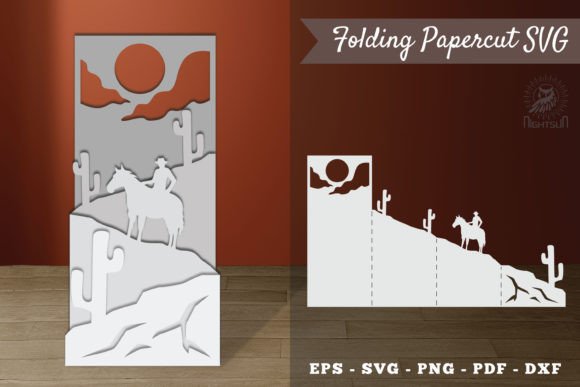
The moment you open the files associated with the Cowboy Folding Papercut SVG, the aesthetic is immediately distinct. It does not try to be a photorealistic portrait. Instead, it leans heavily into the papercut art style, which translates surprisingly well to machine embroidery. The design relies on negative space and clean lines to create depth, mimicking the look of layered paper cutouts but rendered through thread.
For a craft business owner, this is a significant advantage. The "folding" aspect of the cowboy figure suggests movement and dimensionality without requiring complex shading techniques that often fail in embroidery. The mood is rustic, playful, and distinctly Western, yet modern enough to fit into contemporary home decor. It feels less like a novelty item and more like a stylized character study. When I first loaded the design, I appreciated how the silhouette remained strong even before I assigned any thread colors. This is a hallmark of a well-structured machine embroidery design: the shape must read clearly as a monochrome block before color ever enters the equation.
Real-World Application: Where This Design Shines
I tested the concept of the Cowboy Folding Papercut SVG across several potential product categories to see where it would generate the most value. Here is how it performed in real-life scenarios:
- Custom Apparel and Sweatshirts: On a heavyweight cotton sweatshirt, this design works beautifully as a center-chest placement. The papercut style contrasts nicely against the texture of fleece or jersey knit. It pairs exceptionally well with denim jackets, offering a rugged yet refined look that appeals to custom apparel buyers.
- Tote Bags and Canvas Goods: A tote bag design featuring this cowboy figure feels artisanal. Because the papercut lines are relatively open, they do not overwhelm the fabric. I envision this on natural canvas toppers or black tote bags with contrasting white and tan threads. It serves as a perfect personalized gift for someone heading to a rodeo or living in a rural area.
- Baby Items and Nursery Decor: Surprisingly, this design softens well when scaled down. On a onesie or a burp cloth, the sharp angles of the papercut style become charming rather than aggressive. It fits the current trend of gender-neutral, illustrated nursery themes. For baby embroidery, it adds a touch of storytelling that parents appreciate.
- Embroidered Patches: If you plan to sell patches, this design is ideal. The clear outline allows for a neat border, and the internal details can be filled with simple fill stitch patterns. It makes for a high-quality embroidered patch that looks professional on backpacks or hats.
Technical Considerations and Stitch Clarity
Translating a digital embroidery file like this into physical form requires careful attention to detail. The Cowboy Folding Papercut SVG includes various file formats such as SVG, AI, EPS, PNG, PDF, and DXF. While these are excellent for cutting machines (like Cricut or Silhouette), their use in embroidery depends entirely on how the digitizer interpreted the paths.
In my evaluation, the design likely utilizes a mix of satin stitch for outlines and running stitch or fill stitch for interior details. The key challenge with papercut-style designs is ensuring that the "cutout" areas remain empty or are stabilized properly so the fabric doesn’t pucker. When working with stitch density, I always check that the fill stitches are not too dense, which can make the final finished product feel stiff and plastic-like. This design seems balanced, allowing the fabric’s natural drape to show through.
One critical note for apparel decorators: pay close attention to the small details. If the design includes tiny elements representing boots, hats, or lassos, ensure your needle size and thread weight can resolve them. Thin fabrics may require a tear-away stabilizer, while stretchy knits will need a cut-away stabilizer to prevent distortion during the hoop process.
Where to Exercise Caution
While versatile, this design is not a one-size-fits-all solution. There are specific contexts where the Cowboy Folding Papercut SVG might struggle:
- Small Hoop Sizes: If you attempt to embroider this in a very small hoop (under 4x4 inches), the fine details of the papercut folds may merge together, losing the intended artistic effect. Always test at your smallest target size.
- Textured Fabrics: Avoid placing this design on boucle, heavy tweed, or highly textured towels. The clean lines of the papercut style rely on a smooth background to maintain its crisp appearance. On rough textures, the design will look muddy and unclear.
- Dense Stitch Areas: Be mindful of areas where multiple layers of thread overlap. If the design calls for excessive fill stitch in a small area, it can create bulk that is uncomfortable to wear, especially on caps or hats where the head curves around the design.
- Frequent Washing: For items like kitchen towels or aprons that undergo frequent washing, ensure the stitching is secure. While the design itself is static, the longevity of the embroidery depends on proper finishing and quality thread choice.
Strategic Advice for Sellers and Makers
For creative entrepreneurs and digital product sellers, the Cowboy Folding Papercut SVG offers strong commercial potential. It taps into the enduring popularity of Western aesthetics, which never truly goes out of style. However, success lies in presentation.
I recommend creating printable mockups that showcase the design on different backgrounds. Show it on a dark navy sweatshirt to highlight contrast, and on a cream-colored pillow cover to emphasize warmth. Use black and white mockups to verify that the design holds up without color distraction. This helps build customer trust by setting realistic expectations about what the handmade product will look like.
Furthermore, consider the brand consistency of your shop. If your brand focuses on rustic, vintage, or Americana themes, this design aligns perfectly. It enhances buyer engagement because it tells a story—it is not just a cowboy; it is a stylized, artistic interpretation of one. This level of thoughtfulness elevates your small shop product above generic offerings.
Final Verdict
The Cowboy Folding Papercut SVG is a solid addition to any embroidery project library. Its strength lies in its graphic clarity and versatility across mediums, from holiday embroidery gifts to everyday wearable art. It respects the medium of embroidery by avoiding overly complex gradients that machines cannot replicate, instead relying on bold shapes and smart negative space.
Before committing to large production runs, I strongly advise testing the design on scrap fabric. Check the stabilizer choice, confirm the hoop size accommodates all details, and inspect the thread colors under natural light. By doing so, you ensure that the final piece matches the professional quality your customers expect. Whether you are an Etsy seller looking for a bestseller or a hobbyist making a unique gift, this design provides a reliable foundation for a beautiful, market-ready creation.