Pucker Up Cowboy Embroidery Review
As a designer who spends more time than I care to admit tweaking stitch paths and judging thread tension, I don’t just buy designs; I stress-test them. When I first pulled up the Pucker Up Cowboy Laser,metal Svg, my initial reaction was one of cautious curiosity. The title suggests a vector file meant for laser cutting or CNC routing, but in the world of digital craft assets, lines blur. For those of us looking to translate this graphic into a physical, stitched reality, the question isn't just about the image—it’s about how it behaves under the needle.
This review breaks down the practical application of this design for embroidery projects, focusing on real-world usability for small business owners, Etsy sellers, and serious hobbyists. We are looking at whether this asset holds up as a viable machine embroidery design or if it remains strictly a decorative vector for other media.
First Impressions: Mood and Visual Personality
The "Pucker Up Cowboy" theme immediately evokes a specific aesthetic: playful, rustic, slightly irreverent, and undeniably cute. It taps into the enduring popularity of western motifs mixed with modern humor. From a design perspective, this is valuable because it bridges two distinct markets: traditional country decor and contemporary novelty gifts.
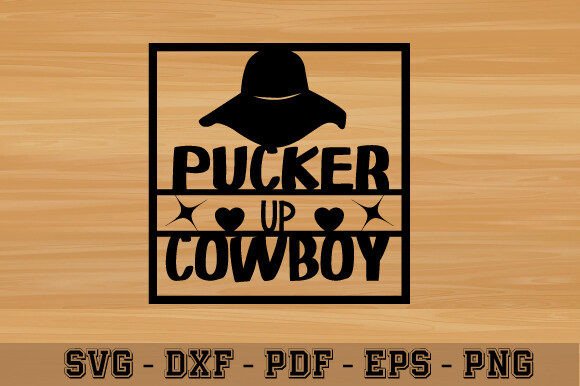
Visually, the character likely features bold outlines and expressive elements—perhaps a lasso, a hat, or a cheeky expression. In terms of layout, designs with this kind of personality usually benefit from clean negative space. If the original vector is dense with unnecessary detail, it will translate poorly to thread. However, if the core shapes are strong, it has the potential to become a standout piece in a collection of custom apparel or boutique branding materials.
The mood is lighthearted, making it perfect for items that want to convey warmth and fun. It doesn’t scream "corporate professionalism," but it absolutely whispers "handmade charm." This distinction is crucial when deciding where to place the design.
Real-World Application: Where Does It Fit?
I’ve been thinking through various project scenarios for this design, and several stand out as particularly strong candidates for production.
- Custom Tote Bags: A canvas tote featuring this cowboy motif is an instant bestseller at craft fairs. The sturdy fabric can handle the weight of the stitches without warping, and the humorous message invites conversation.
- Baby Items: Think onesies or burp cloths. The "pucker up" theme translates well to baby humor (think teething or feeding). On soft cotton blends, this design would look adorable and feel gentle against skin.
- Kitchen Textiles: Tea towels and aprons are classic venues for novelty embroidery. The contrast between the rugged cowboy theme and domestic kitchen settings creates a charming juxtaposition that buyers love.
- Holiday Gifts: Whether it’s a themed Christmas stocking or a quirky Valentine’s gift, this design has seasonal versatility. It works especially well as a personalized gift when combined with custom names or dates.
For Etsy sellers and small shop products, this type of design offers high perceived value. It’s not just a logo; it’s a statement piece. When marketed correctly, it can drive engagement on social media because people love sharing unique, funny handmade items.
Technical Considerations and Stitch Behavior
Here is where we need to be realistic. The product description identifies this primarily as a vector file for laser cutting and CNC router machines. While vectors can sometimes be traced into embroidery files, they do not automatically contain stitch data. If you are planning to use this as an embroidery file, you must ensure you have the correct digitization.
Assuming the design is properly converted or originally digitized, here is what to watch for:
Stitch Density and Fabric Texture
Cowboy themes often rely on bold shapes. If the design uses heavy fill stitch areas, you need a stable fabric like denim or thick canvas. On lighter fabrics, such density can cause puckering—a literal pucker-up of the material—which ruins the finish. Always test on scrap fabric first to check how the stitch density interacts with your chosen textile.
Detail Level and Small Hoops
If the design includes tiny details, such as intricate stitching on the cowboy’s boots or facial features, be careful with small hoop sizes. Tiny details can get lost or look muddy if the stitch count is too low. Conversely, if the design is simple and relies on satin stitch outlines, it will hold up better in smaller hoops, making it suitable for caps or hats.
Thread Color Contrast
The visual impact of this design will depend heavily on your thread colors. A black outline on white fabric provides sharp clarity, while pastel threads on light fabric might wash out. I recommend creating a printable mockup in black and white first to judge the contrast before committing to expensive specialty threads.
Where to Use It Carefully
Not every surface is a good friend to this design. Here are areas where you should exercise caution:
- Stretchy Fabrics: Avoid using this on thin, stretchy knits unless you use a heavy-duty stabilizer. The movement of the fabric can distort the alignment of the cowboy figure.
- Curved Surfaces: Embroidering on curved surfaces like baseball caps requires precise hooping. If the design has straight geometric lines, they may warp around the curve of the cap front.
- Dense Stitch Areas: If the design has large blocks of solid color, avoid placing it on delicate fabrics like silk or fine linen. The weight of the thread can pull and tear these materials.
- Frequent Washing: For items like aprons or kids' clothes that will see heavy laundering, ensure the design is backed with proper cut-away stabilizer to maintain integrity over time.
Practical Designer Notes for Production
Before you start producing commercial embroidery items with this design, follow these steps to ensure quality:
- Check Licensing: Confirm whether you have commercial rights to sell finished products made with this design. This is critical for digital product sellers and craft business owners.
- Inspect Small Details: Zoom in on the vector. Are there any jagged edges or overlapping paths that could cause stitching errors? Clean up the vector if necessary before converting to an applique design or standard embroidery format.
- Test Stitch Types: Determine if the design works best as a full stitch-out or if an applique design approach would be more effective. Applique can reduce thread usage and add texture, which fits the rustic cowboy vibe nicely.
- Review Stabilizer Choice: Match your stabilizer to the fabric. Tear-away for woven fabrics, cut-away for knits and stretchy materials. Using the wrong stabilizer is the most common cause of poor embroidery results.
- Mockup Testing: Create digital mockups to show customers. A design asset is only as good as its presentation. Show how it looks on a tote bag, a sweatshirt, and a pillow cover to help buyers visualize the final product.
Final Verdict
The Pucker Up Cowboy Laser,metal Svg is a versatile asset with strong commercial potential, provided it is adapted correctly for embroidery. Its playful nature makes it ideal for personalized gifts, holiday embroidery, and custom apparel. However, success depends on technical execution.
It is not a "plug-and-play" solution for every machine setup. You must respect the limits of stitch density, fabric stability, and hoop size. When done right, however, this design can elevate a simple handmade product into a memorable, marketable item. For embroidery designers looking to add a touch of western whimsy to their portfolio, this is a worthy addition—just remember to test thoroughly before you sell.
Whether you are decorating a tote bag design for a summer festival or adding a finishing touch to a sweatshirt embroidery line, keep the end-user in mind. Will they wash it? Will they wear it? If the answer is yes, then with proper preparation, this cowboy character is ready to ride.