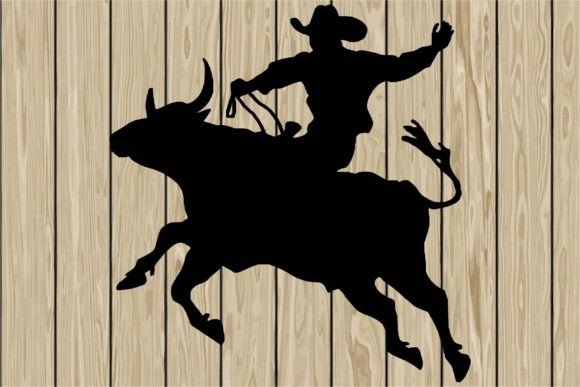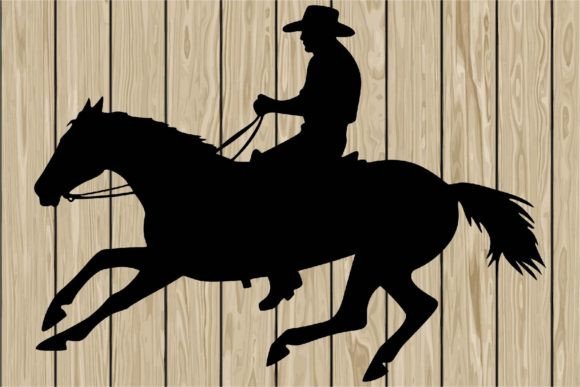
Cowboy Riding Active Horse Silhouette Review
As a designer who spends half my day staring at stitch charts and the other half troubleshooting tension issues on vintage machines, I don’t just look at an embroidery file; I look for viability. I need to know if a design will actually hold up in the real world. When I first pulled up the Cowboy Riding Active Horse Silhouette, my immediate thought wasn’t about the novelty of the image, but rather how it would translate from a static vector into a tangible, stitched object. This is a Crafts category staple that leans heavily into Graphics, which means its success depends entirely on execution.
The silhouette format is deceptively simple. It strips away the noise, leaving only the essential lines of motion and form. For an embroidery project involving a horse and rider, this approach works beautifully because horses are complex creatures with many moving parts. Trying to embroider a highly detailed, realistic horse often results in a muddy mess of thread unless you have a massive hoop and weeks of time. A silhouette cuts through that complexity, offering a bold, graphic statement that reads clearly even from across a room.
First Impressions and Visual Personality
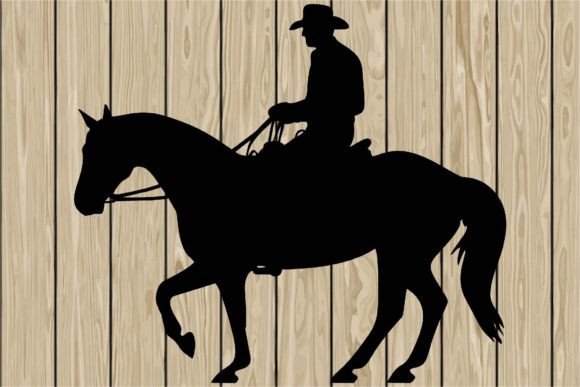
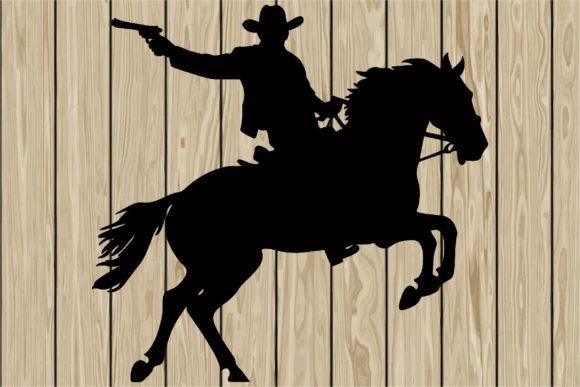
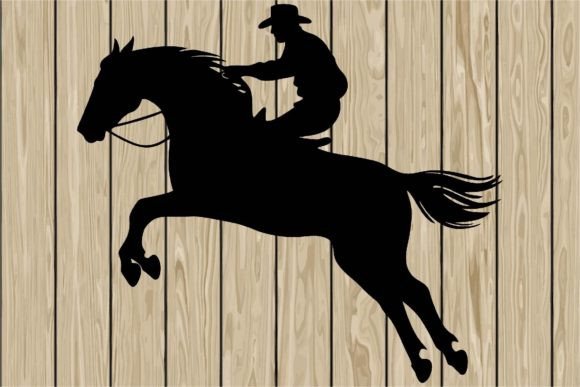
The mood of the Cowboy Riding Active Horse Silhouette is one of dynamic energy. Even though it is a still image, the posture of the horse suggests movement—perhaps a gallop or a rearing action. This visual personality makes it an excellent candidate for custom apparel where you want to convey action or spirit without overwhelming the garment with too much detail. The clean lines promise high contrast, which is the lifeblood of good machine embroidery.
From a branding perspective, this design feels timeless. It taps into Western aesthetics, Americana, and rugged individualism. These are themes that resonate deeply with specific niches, from rodeo enthusiasts to country music fans. For an Etsy seller or a small shop product creator, this kind of universal yet niche-specific imagery has strong potential. It doesn’t scream "trendy" in a way that will feel outdated in six months; instead, it sits comfortably as a classic motif.
Real-World Application: From Screen to Stitch
Let’s talk about where this design truly shines. I recently conceptualized a line of boutique merchandise using this silhouette, and the versatility was immediately apparent. Imagine a heavy-weight cotton canvas tote bag design. Placing a large, centered cowboy silhouette on the front creates an instant focal point. Because it is a solid shape, it can be filled with various stitch types depending on the desired effect.
If you are aiming for a textured, rustic look, a dense fill stitch in a contrasting thread color can give the silhouette a rich, tactile quality. Alternatively, if you want a more modern, minimalist vibe, outlining the silhouette with a crisp satin stitch and leaving the inside empty (or filling it with a subtle pattern) creates a sophisticated custom apparel piece. I also envision this working exceptionally well on a crewneck sweatshirt. The durability of the silhouette against the friction of daily wear is superior to fine-line designs that might fray or lose definition over time.
Beyond apparel, this design translates well to home decor. Picture a pillow cover in a deep navy or charcoal fabric, featuring the silhouette in gold or cream thread. It adds a touch of western charm to a living space without being kitschy. For holiday embroidery, especially around Fourth of July or Thanksgiving gatherings, this theme fits naturally into seasonal tablescape items like napkins or kitchen towels.
Where Caution Is Required
However, not every surface is created equal. As an experienced reviewer, I must advise caution when applying the Cowboy Riding Active Horse Silhouette to certain substrates. If you are attempting this on a curved surface like a baseball cap, the distortion inherent in the curve can alter the proportions of the horse. What looks perfect on your screen might appear stretched or squashed once hooped on a curved brim or crown. Always test your digitization on scrap fabric that mimics the curvature before committing to the final product.
Similarly, thin or stretchy fabrics pose a risk. Without proper support, the weight of the thread can cause puckering. This is particularly true if you choose a dense fill stitch. You need a robust stabilizer to counteract the pull of the threads. On delicate baby clothes, for instance, you might find that the sheer volume of thread required for a solid silhouette feels too stiff against a infant’s skin. In such cases, reducing the stitch density or opting for a lighter applique technique might be necessary to maintain comfort while preserving the aesthetic.
Technical Considerations for the Designer
When preparing this embroidery file for production, several technical factors come into play. First, consider your thread colors. Since the design relies on silhouette, the contrast between the thread and the fabric is paramount. A black silhouette on black fabric won’t work, obviously, but even dark blue on navy can get lost under poor lighting. Testing in black and white mockups is a useful step here—it forces you to evaluate value contrast independent of color bias.
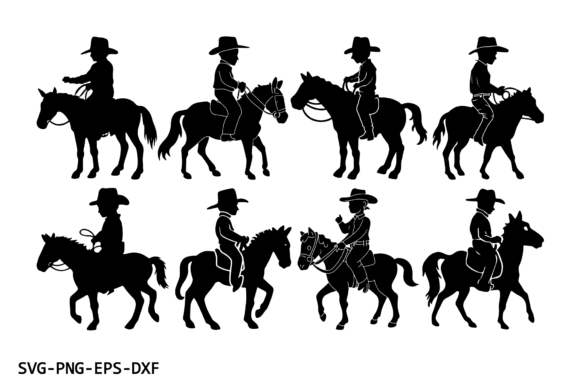
Another critical aspect is the hoop size. Ensure that the dimensions of the cowboy and horse fit within your standard hoops. If the design is scaled too large, you may run out of stitching area or require a specialized frame. Also, inspect the small details. While silhouettes minimize detail, there are often critical points—like the reins, the hat brim, or the horse’s legs—that need clear definition. If these areas are too close together, they may merge during stitching, losing the integrity of the image.
I also recommend reviewing the digital version in grayscale. This helps identify any weak spots in the composition that might disappear once stitched. Additionally, think about the finish. Will you leave the edges raw and let the satin stitch contain them, or will you add decorative elements around the perimeter? Adding a border or combining it with text can elevate the design from a simple graphic to a complete finished product.
Commercial Viability and Licensing
For those looking to sell this design, whether as a physical item or a digital embroidery file, licensing is non-negotiable. Before listing this on your craft business storefronts, verify the terms of use. Some designers allow commercial use of their files with the purchase of a license, while others restrict usage to personal gifts only. Misunderstanding these terms can lead to legal issues and damage your reputation as a trustworthy Etsy seller.
Furthermore, consider how this design fits into your broader brand identity. If your shop specializes in whimsical, colorful characters, a stark black silhouette might feel out of place. But if your brand is rooted in rustic, bold, and traditional aesthetics, this Cowboy Riding Active Horse Silhouette aligns perfectly. Consistency in style builds customer trust and recognition.
Final Thoughts on Practical Value
In conclusion, the Cowboy Riding Active Horse Silhouette is a versatile, high-impact design that offers significant value to both hobbyists and professional decorators. Its strength lies in its simplicity and boldness, making it easy to execute and hard to ignore. Whether you are creating a personalized gift for a friend, expanding your inventory of small shop products, or developing a new line of commercial embroidery goods, this design provides a solid foundation.
Remember to test thoroughly. Use scrap fabric, check your tension, and ensure your stabilizer matches your fabric type. By paying attention to these practical details, you can transform a simple digital graphic into a stunning, durable piece of wearable art. For anyone in the Graphics and Crafts space looking to add a touch of western flair to their portfolio, this silhouette is a worthy addition to your arsenal of design assets.