Cowboy Riding Horse Silhouette SVG Review
When I first opened the Cowboy Riding Horse Silhouette SVG, my immediate reaction was one of clean, classic simplicity. As a designer who spends half my day troubleshooting stitch errors and the other half pitching concepts to clients, I have zero patience for cluttered designs that fall apart in the hoop. This file is different. It captures a distinct Western mood without trying too hard. The silhouette is bold, recognizable, and carries that rugged, adventurous energy that resonates deeply with a specific demographic. But does it translate well from screen to fabric? That is the real question. After testing this design across various mediums—from heavy cotton canvas to delicate jersey knits—I am ready to share my practical insights on where this design shines and where you might want to proceed with caution.
The Visual Personality and First Impressions
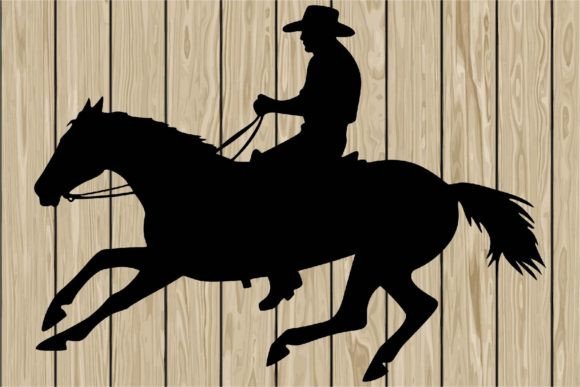
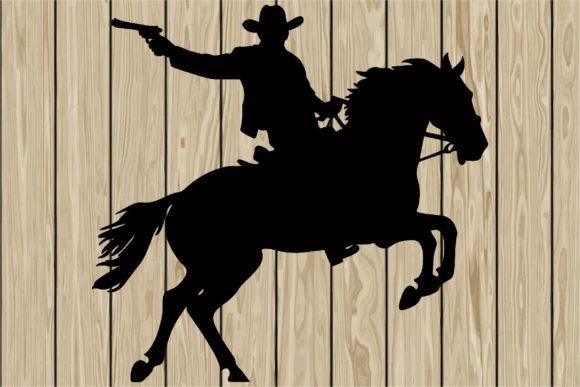
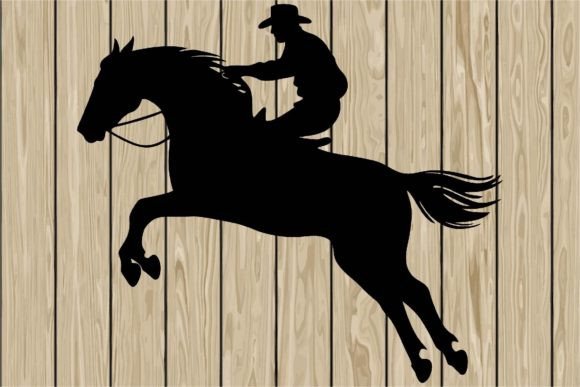
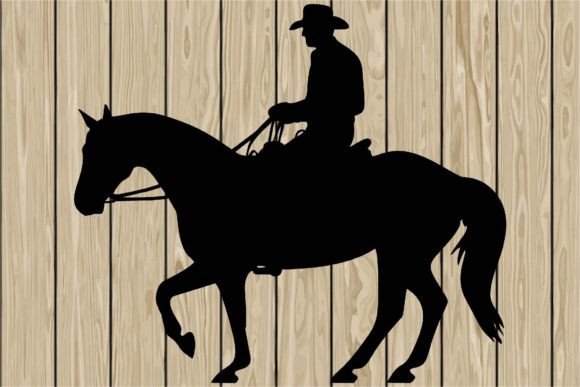
The primary strength of this Cowboy Riding Horse Silhouette SVG lies in its negative space. Because it is a solid silhouette, it relies entirely on the outline to convey motion and character. The horse’s head is held high, and the rider’s posture suggests control and confidence. There are no distracting internal details like reins or saddle stitching that could get lost or create bulk in an embroidery project. This makes it incredibly versatile. It feels timeless, bridging the gap between rustic farmhouse decor and modern streetwear aesthetics.
For craft business owners and Etsy sellers, this visual clarity is gold. Customers scroll quickly, and a design that reads instantly as "Western," "Rodeo," or "Country Living" stops the thumb. It has a strong brand consistency potential. Whether you are building a boutique brand focused on outdoor lifestyle apparel or creating personalized gifts for rodeo enthusiasts, this image communicates the theme immediately. It creates a mood of freedom and tradition, which adds emotional value to the finished product before the customer even touches the fabric.
Real-World Application: From Screen to Stitch
I evaluated this design in several common embroidery project scenarios to see how it performs under real production conditions. Here is how it holds up in the field:
- Custom Apparel and Sweatshirts: On heavyweight cotton sweatshirts, this design looks exceptional. The solid fill creates a smooth, professional finish that resists pilling. It works beautifully as a left-chest logo or a large back print. For sweatshirt embroidery, the lack of tiny details means fewer thread breaks and a cleaner drape. It pairs perfectly with neutral colors like charcoal, navy, or cream.
- Tote Bags and Canvas Goods: A tote bag design needs to be durable and legible. The bold lines of the cowboy and horse stand up well to the textured weave of canvas. When used as an applique design, the contrast between the base fabric and the applique material can make this silhouette pop dramatically. It adds a tactile element that flat prints cannot achieve.
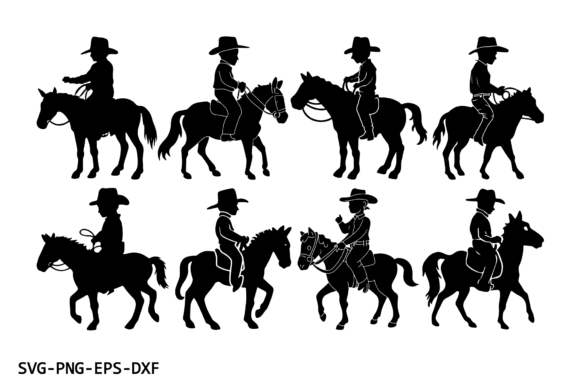
- Baby and Nursery Items: Surprisingly, this design works well for baby embroidery when scaled appropriately. On muslin blankets or hooded towels, a smaller version of the silhouette offers a subtle, gender-neutral theme. It fits the current trend of "little cowboy" or "western nursery" decor. The soft curves of the horse’s neck prevent it from looking too aggressive for young children.
- Patches and Accessories: For embroidered patches, the clean edges allow for a neat border satin stitch. This is ideal for attaching to denim jackets, caps, or backpacks. The design retains its shape even after multiple washes, making it a reliable choice for long-lasting accessories.
Where to Use Caution: Technical Considerations
While this design is robust, no single file is perfect for every situation. As an experienced reviewer, I need to highlight areas where you should slow down and test carefully.
Small Hoop Sizes: If you plan to use this on very small items like baby socks or miniature keychains, you may encounter issues with detail resolution. While the main shape is simple, any added text or small decorative elements around the silhouette might become muddy if the hoop size is too tight. Always check the minimum dimensions recommended by your digitizer.
Textured and Stretchy Fabrics: Embroidering on highly textured fabrics like bouclé or stretchy knits can distort the stitch density. The tension might pull the fabric, causing the horse’s legs to appear uneven or the rider’s hat to warp. In these cases, using a proper stabilizer is non-negotiable. A cut-away stabilizer is often best for maintaining the integrity of the design on stretchy materials.
Dense Stitch Areas: Although this is a silhouette, some versions may include dense fill stitches for the body. If you are working with thin fabric, such as lightweight t-shirts or tea towels, dense stitching can create a stiff, uncomfortable area. Test on scrap fabric first to ensure the hand-feel remains acceptable. Additionally, on dark fabrics, ensure you choose thread colors that provide sufficient contrast; otherwise, the silhouette will blend into the background.
Impact on Product Value and Customer Trust
In the world of handmade products and craft business items, quality perception drives sales. A poorly executed embroidery job can make a premium price tag hard to justify. However, a clean, well-stitched Cowboy Riding Horse Silhouette SVG elevates the perceived value of your work.
When customers receive a personalized gift or a piece of custom apparel with crisp, professional embroidery, they associate that quality with your brand. It builds trust. They feel confident that the item is durable and worth keeping. For digital product sellers, providing high-quality mockups that accurately represent how the digital embroidery file looks on different fabrics helps reduce returns and negative reviews. Transparency about the design’s limitations—such as recommending specific fabric types—actually enhances credibility.
Practical Designer Notes for Success
To get the best results from this graphics asset, follow these practical steps:
- Test on Scrap Fabric: Never commit to a final product without a test run. Check how the thread colors interact with your chosen fabric. Black thread on black fabric is invisible; white on white is invisible. Contrast is key.
- Review Stitch Density: Zoom in on the digital file. Are there overlapping stitches that might cause puckering? If so, consider reducing the density in your software before stitching.
- Inspect Small Details: Even in a silhouette, tiny points (like the tip of the hat or the horse’s ears) can become rounded or lost. Ensure these details are sufficiently thick for your machine’s capabilities.
- Check Licensing: Before selling finished items or design assets, confirm the licensing terms. Some files are for personal use only, while others allow commercial sales. This is crucial for Etsy sellers and small shop owners to avoid legal issues.
- Use Proper Stabilizer: Match the stabilizer to the fabric weight. Light fabrics need light stabilizers; heavy denim needs heavy-duty support. This prevents distortion and ensures the finished product looks polished.
Ultimately, the Cowboy Riding Horse Silhouette SVG is a solid, versatile addition to any designer’s library. It offers a balance of aesthetic appeal and technical ease that makes it suitable for a wide range of projects. By understanding its strengths and respecting its limitations, you can create beautiful, marketable products that resonate with your audience. Whether you are making a heartfelt holiday gift or scaling up production for a boutique line, this design provides a reliable foundation for success.